

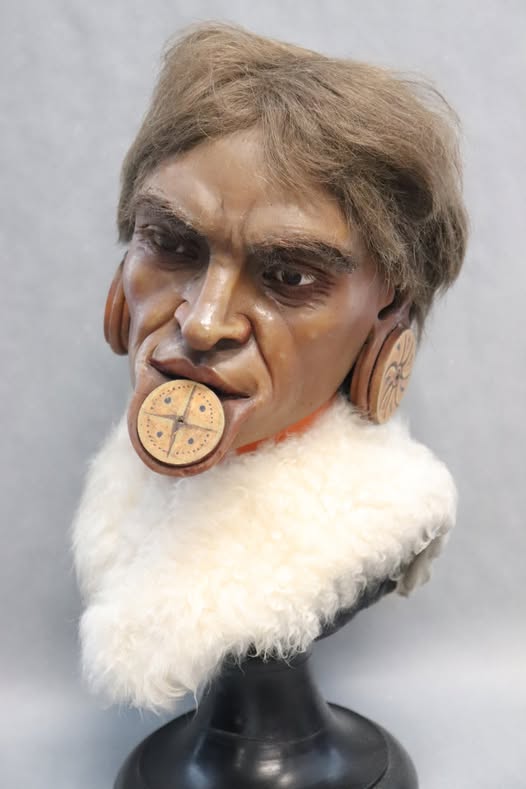
An evolution in anatomical waxes
In the 19th century, anatomical waxes, initially used for medical teaching, became a valuable tool for ethnology. Museums and anthropologists commissioned wax busts representing the peoples of the world, seeking to document human diversity according to the scientific criteria of the time.
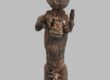
This bust of Botocudo, produced with a concern for realism, illustrates this approach. It bears witness to the interest shown in the indigenous peoples of Brazil, who were often studied from a colonial perspective. Today, these works question our view of the past and the construction of ethnographic knowledge.